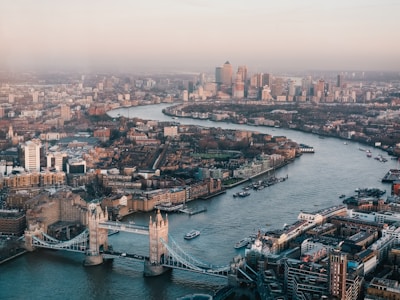
Rome Overview
Rome isn't just a city—it's an open-air museum spanning nearly 3,000 years of history. From the mighty Colosseum to the artistic treasures of the Vatican, from ancient ruins to vibrant piazzas, the Eternal City offers an unparalleled journey through Western civilization.
Walking through Rome is like stepping through layers of time. One moment you're standing in the shadow of a 2,000-year-old temple, the next you're sipping espresso in a baroque piazza. The city seamlessly blends its ancient past with a lively present filled with incredible food, passionate people, and la dolce vita.
Despite being one of the world's most visited cities, Rome remains surprisingly accessible to budget travelers. Free attractions abound, affordable eateries serve world-class cuisine, and the best experiences—wandering through cobblestone streets, tossing a coin in the Trevi Fountain, people-watching in Piazza Navona—cost nothing at all.
Good to Know
Rome is home to Vatican City, the world's smallest independent state. You can visit St. Peter's Basilica for free, but the Vatican Museums (including the Sistine Chapel) require tickets. Book online to avoid the notorious queues!
Rome Cost Breakdown
Rome offers good value compared to Northern European capitals, though tourist areas can be pricey.
Budget Travel
$60-$90/day- Accommodation: $25-$45 - Hostels, budget hotels outside center
- Food: $20-$30 - Pizza al taglio, markets, aperitivo
- Transport: $5-$10 - Metro, walking
- Activities: $10-$20 - Free sites, one paid attraction
Tip: Many of Rome's best attractions are free—the Pantheon, St. Peter's, piazzas, and fountains.
Mid-Range
$150-$250/day- Accommodation: $80-$150 - 3-4 star hotels, central B&Bs
- Food: $40-$60 - Trattorias, wine bars
- Transport: $10-$20 - Mix of transit and taxis
- Activities: $30-$50 - Skip-the-line tickets, tours
Tip: Book a food tour—you'll eat better and learn where locals go for the rest of your trip.
Luxury
$400+/day- Accommodation: $250+ - 5-star hotels, historic palazzos
- Food: $100+ - Fine dining, Michelin restaurants
- Transport: $50+ - Private drivers, transfers
- Activities: $100+ - Private tours, VIP access
Tip: After-hours Vatican tours offer exclusive access when the museums are closed to the public.
Detailed Cost Reference
| Item | Budget | Mid-Range | Luxury |
|---|---|---|---|
| Hotel (per night) | $25-$45 | $80-$150 | $250-$800+ |
| Pizza al Taglio (slice) | $3-$5 | ||
| Pasta at Trattoria | $10-$15 | $15-$25 | $30-$50 |
| Coffee (espresso) | $1-$1.50 (standing) / $3-$5 (seated) | ||
| Gelato (2 scoops) | $3-$5 | ||
| Metro Ticket | $1.75 (single) / $7 (24-hour) | ||
| Colosseum + Forum | $18-$24 | ||
| Vatican Museums | $20-$35 (depending on tour type) | ||
Get Your Personalized Rome Budget
Calculate your trip costs based on your travel style and dates.
Calculate NowBest Time to Visit Rome
Rome is a year-round destination, but timing your visit affects both your experience and budget.
Spring (April-June)
- Weather: 15-25°C (59-77°F), pleasant and sunny
- Crowds: Moderate to high, especially around Easter
- Prices: Moderate, rising toward summer
- Highlights: Perfect weather, outdoor dining, blooming gardens
Best overall time to visit. Comfortable weather for walking and fewer crowds than summer.
Summer (July-August)
- Weather: 25-35°C (77-95°F), hot and humid
- Crowds: Very high tourist crowds
- Prices: Peak season rates
- Highlights: Long days, outdoor events, locals leave for vacation
Hot and crowded but lively. Many local shops close in August. Start sightseeing early.
Fall (September-October)
- Weather: 15-25°C (59-77°F), warm and pleasant
- Crowds: Moderate, decreasing through October
- Prices: Moderate, shoulder season deals
- Highlights: Great weather, harvest season cuisine, fewer tourists
Excellent time with warm weather, great food (truffle season!), and manageable crowds.
Winter (November-March)
- Weather: 5-15°C (41-59°F), cool and sometimes rainy
- Crowds: Low (except Christmas/New Year)
- Prices: Lowest rates of the year
- Highlights: No queues, Christmas markets, authentic local feel
Best for budget travelers. Experience Rome like a local without the tourist hordes.
Where to Stay in Rome
Rome's neighborhoods each have distinct personalities. Choose based on your interests and budget.

Centro Storico (Historic Center)
The heart of Rome with the Pantheon, Piazza Navona, and the Trevi Fountain. Walkable to everything but the most expensive area. Lively at night with countless restaurants and bars.
Best for: First-timers, those who want to be in the middle of it all

Trastevere
Charming, cobblestoned neighborhood across the Tiber with ivy-covered buildings and a village feel. Excellent restaurants, lively nightlife, and a more local atmosphere.
Best for: Foodies, nightlife lovers, those seeking authenticity

Monti
Rome's oldest neighborhood, now its hippest. Narrow streets lined with vintage shops, wine bars, and artisan boutiques. Near the Colosseum but feels like a local secret.
Best for: Young travelers, shoppers, those wanting local vibes near major sites

Vatican / Prati
Elegant, residential neighborhood right by Vatican City. More upscale and quieter than the center. Great restaurants without tourist markups. Easy metro access.
Best for: Vatican visits, families, those seeking quiet evenings
Top Attractions in Rome
Colosseum & Roman Forum
The iconic symbol of Rome's imperial past. This 2,000-year-old amphitheater once held 50,000 spectators watching gladiatorial combat. The adjacent Forum was ancient Rome's political heart.
Pro Tip: Book tickets online in advance—the queues are brutal. The combined ticket includes Palatine Hill. Go early morning or late afternoon for fewer crowds.
Vatican Museums & Sistine Chapel
One of the world's greatest art collections culminating in Michelangelo's breathtaking Sistine Chapel ceiling. The museums span 7 kilometers of galleries and corridors.
Pro Tip: Book skip-the-line tickets weeks in advance. Friday nights offer special evening openings with fewer crowds. Free on the last Sunday of each month (very crowded).
Pantheon
The best-preserved ancient Roman building, with its perfect dome and mysterious oculus. Originally a temple to all gods, it's been a church since the 7th century.
Pro Tip: Visit when it's raining—water streams dramatically through the oculus. The piazza outside has great (if touristy) cafes for people-watching.
Free Things to Do
St. Peter's Basilica
The world's largest church is free to enter (dress code applies)
Trevi Fountain
Toss a coin and marvel at this baroque masterpiece
Spanish Steps
Iconic staircase and great for people-watching
Villa Borghese
Rome's most beautiful park with great city views
Food & Dining in Rome
Rome is a food lover's paradise. From perfect carbonara to crispy Roman pizza, every meal can be memorable—if you know where to go.
Must-Try Roman Foods
- Cacio e Pepe - €10-€15
Simple perfection: pasta with pecorino cheese and black pepper.
- Carbonara - €12-€18
The real thing: eggs, guanciale, pecorino. No cream ever!
- Supplì - €2-€3
Fried rice balls with mozzarella—the original street food.
- Pizza al Taglio - €3-€8
Roman-style pizza by weight. Crispy, rectangular, and perfect for lunch.
- Gelato - €3-€5
Look for "gelato artigianale" with natural colors. Avoid piled-high displays.
Budget Eating Tips
- Stand at the Bar: Coffee and drinks are 2-3x cheaper when you stand at the bar vs. sitting at a table.
- Aperitivo: Many bars offer free buffet with drink purchase (€8-€12) from 6-9 PM. This can be dinner!
- Pizza al Taglio: Sold by weight, it's delicious and budget-friendly. Point at what you want.
- Avoid Tourist Traps: Never eat at restaurants with picture menus, tourist touts, or views of major monuments.
- Lunch Deals: Many restaurants offer "pranzo" (lunch) menus with great prices on the same dishes.
Money-Saving Tips for Rome
Roma Pass
Get free entry to 1-2 museums plus unlimited transit for 48/72 hours. Worth it if visiting paid attractions.
Free First Sundays
State museums are free on the first Sunday of each month. Arrive early—they get crowded!
Drink Tap Water
Rome's ancient fountains (nasoni) provide free, clean, delicious water. Bring a refillable bottle.
Walk Everywhere
Rome is surprisingly walkable. You'll see more and save on transport. The historic center is compact.
Eat Away from Sights
Walk 2-3 blocks from major attractions for significantly better prices and quality.
Book in Advance
Pre-book Colosseum, Vatican, and Borghese Gallery to skip queues and sometimes save money.
Frequently Asked Questions
Budget travelers can spend €50-€80/day with hostels and pizza. Mid-range travelers spend €130-€220/day with nice hotels and trattorias. Luxury travelers should budget €350+ for 5-star hotels and fine dining.
Three to four days covers the highlights (Vatican, Colosseum, Centro Storico). Five to seven days allows deeper exploration, day trips (Pompeii, Florence), and time to simply enjoy la dolce vita.
Rome is generally very safe. The main concern is pickpockets, especially on crowded buses (64, 40), metro, and around tourist sites. Keep valuables secure and be aware of common scams.
Yes! Booking is essential for the Colosseum, Vatican Museums, and Borghese Gallery. Book at least a week ahead in peak season, or earlier for specific time slots.
Ready to Plan Your Roman Holiday?
Get a personalized budget estimate for your Rome trip.
Calculate Your Rome Budget Now